Survive and Thrive: Your Ultimate Guide to Emergency Preparedness
In a world where unexpected disasters are becoming more frequent, being prepared for emergencies is not just a recommendation but a necessity. In our ultimate guide to emergency preparedness, we delve deep into understanding the importance of readiness and equipping you with the tools to not only survive but thrive in unforeseen circumstances. From building your essential emergency kit to crafting a family emergency plan, this article is your go-to resource for comprehensive preparation. Learn how to stay informed and up-to-date during emergencies, ensuring you can make informed decisions swiftly. We also delve into the crucial topic of maintaining positive mental health during crisis situations, providing you with strategies to thrive emotionally when faced with adversity. Join us on this journey as we empower you with the knowledge and skills needed to navigate emergencies with confidence and resilience

Understanding the Importance of Emergency Preparedness
Emergencies can strike at any moment, catching us off guard and unprepared. The importance of emergency preparedness cannot be emphasized enough. Being equipped to handle unexpected situations can literally be a matter of life and death. Emergency preparedness involves planning and taking proactive steps to mitigate the impact of emergencies. This can include natural disasters like hurricanes, earthquakes, or floods, as well as man-made crises such as power outages or accidents. By understanding the risks specific to your location and circumstances, you can tailor your preparedness efforts to be most effective. Having a well-thought-out emergency plan in place can make all the difference in the event of a crisis. This includes knowing evacuation routes, having emergency supply kits stocked with essentials like water, non-perishable food, first aid supplies, and important documents, and establishing communication protocols with family members or colleagues. Furthermore, staying informed and educated about potential threats can help you stay one step ahead. This can involve signing up for emergency alerts, attending relevant training or workshops, and regularly reviewing and updating your emergency plan as needed. In essence, emergency preparedness is not just about surviving during a crisis – it's about thriving despite the challenges. By being prepared, you can protect yourself, your loved ones, and your community, ensuring that you have the resilience and resources to weather any storm that comes your way
Building Your Emergency Kit: Essentials for Survival
In times of emergency, having a well-prepared emergency kit can make a significant difference in your ability to survive and thrive. Your emergency kit should contain essential items that can help you weather various scenarios, from natural disasters to unforeseen events. Let's delve into the key components that you should include in your emergency kit to ensure you are prepared for any situation. 1. Water and Food Supplies: Water is a crucial element for survival, so make sure to include an ample supply in your emergency kit. Aim for at least one gallon of water per person per day for a minimum of three days. Non-perishable food items such as canned goods, energy bars, and dried fruits are also essential. Don't forget to pack a manual can opener and utensils. 2. First Aid Kit: Injuries can happen during emergencies, so a well-stocked first aid kit is indispensable. Include items such as bandages, antiseptic wipes, gauze pads, adhesive tape, pain relievers, and any prescription medications you or your family members may need. 3. Light and Communication: Having a reliable light source is crucial during power outages or when stranded in the dark. Pack flashlights, extra batteries, and consider including a hand-crank or solar-powered emergency radio for updates and communication with emergency services. 4. Shelter and Warmth: In case you need to evacuate or cannot rely on your usual shelter, having items for warmth and protection is vital. Pack emergency blankets, a waterproof tarp, sturdy gloves, and a set of extra clothing and shoes appropriate for the weather conditions. 5. Tools and Supplies: Include a multi-tool, duct tape, a whistle for signaling, and any specific tools you may need for turning off utilities or performing minor repairs. Personal hygiene items such as toothbrushes, toothpaste, and sanitation supplies are often overlooked but critical for maintaining health and morale. 6. Important Documents and Cash: Keep copies of essential documents like identification, insurance policies, and contact information in a waterproof container. Include some cash in small denominations, as ATMs may be unavailable during emergencies. 7. Personal Comfort Items: Lastly, consider adding comfort items such as a favourite book, playing cards, or a small toy for children to provide a sense of normalcy and reduce stress during challenging times. By assembling a well-thought-out emergency kit with these essential items, you can be better prepared to face unexpected situations and ensure the safety and well-being of yourself and your loved ones. Remember to review and update your emergency kit regularly, ensuring that everything is in good condition and meets your current needs
Creating a Family Emergency Plan: Ensuring Everyone is Prepared
In times of emergency, having a comprehensive family emergency plan is crucial to ensuring the safety and well-being of your loved ones. A well-thought-out plan can help everyone understand their roles and responsibilities, and can provide a sense of security during challenging situations. Start by identifying potential risks that could affect your family, such as natural disasters (like earthquakes, floods, or wildfires), medical emergencies, or even unexpected events like power outages or home intrusions. Understanding the specific risks in your area will allow you to tailor your emergency plan to address those threats effectively. Ensure that all family members are familiar with the plan and know what to do in different scenarios. Assign roles and responsibilities based on each person's abilities and skills. For example, designate someone to gather emergency supplies, another person to contact emergency services, and ensure that everyone knows where to meet in case of evacuation. Communication is key during emergencies, so establish multiple ways to stay connected with family members. This could include setting up a group chat, creating an emergency contact list, or identifying a meeting point outside your home if you get separated. Regularly review and practice your family emergency plan to ensure that everyone remembers what to do in case of an emergency. Update the plan as needed, especially if there are changes in your family's circumstances or living situation. Remember, being prepared is the best way to handle emergencies effectively. By creating a family emergency plan and ensuring that everyone is prepared, you can increase your family's resilience and ability to navigate challenging situations with confidence
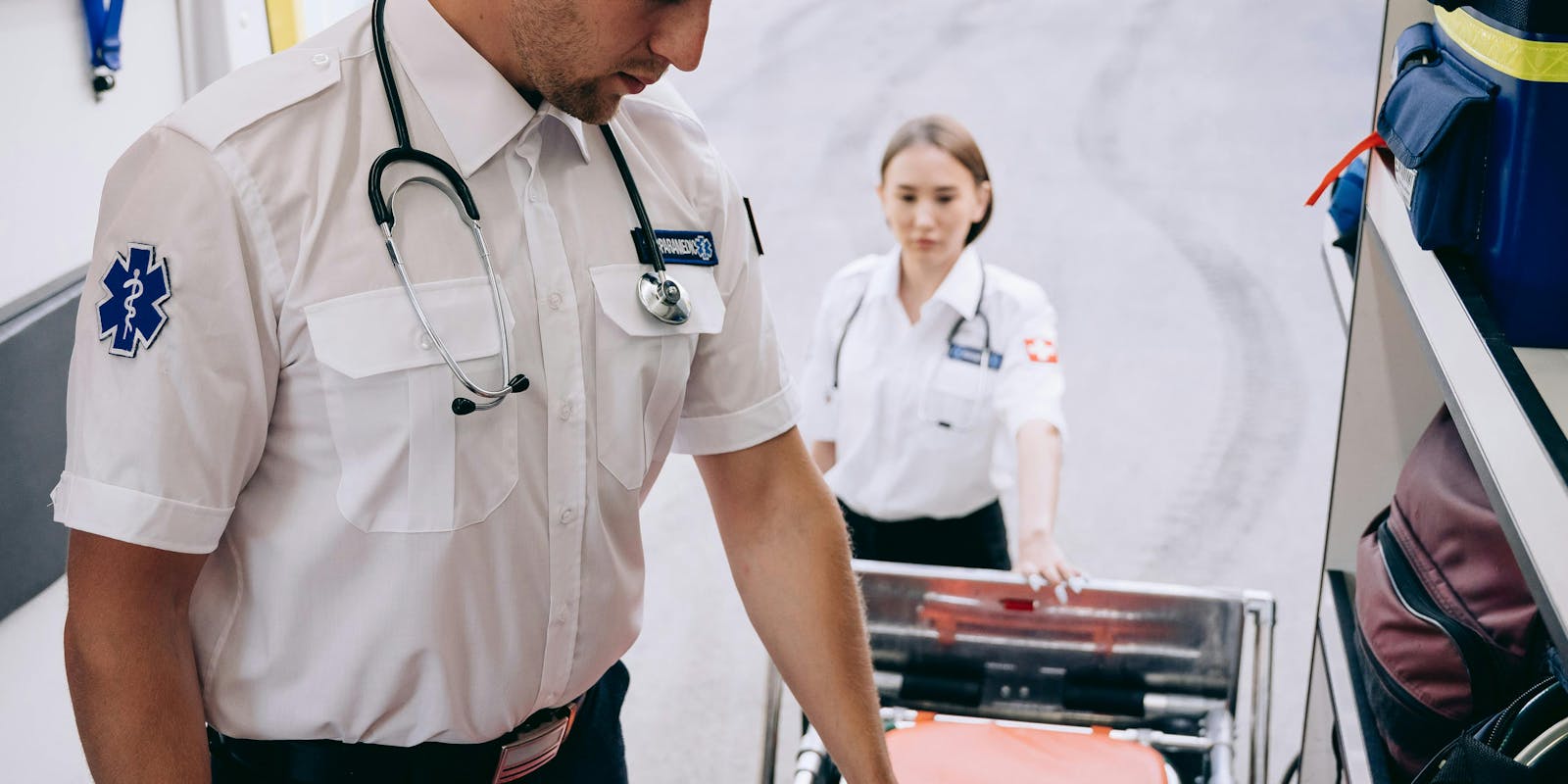
Staying Informed: How to Stay Up-to-Date During Emergencies
In times of emergencies, staying informed is crucial for ensuring your safety and well-being. Being up-to-date with accurate information can significantly impact your ability to respond effectively to any crisis situation. Here are some essential tips to help you stay informed during emergencies: 1. **Utilise Trusted News Sources:** Rely on reputable news outlets, government agencies, and official emergency services for accurate information. Avoid spreading unverified news from social media or unverified sources, as misinformation can cause panic and hinder response efforts. 2. **Register for Emergency Alerts:** Sign up for emergency alert systems provided by local authorities. These alerts can provide critical updates, such as evacuation notices, severe weather warnings, or other important information directly to your phone or email. 3. **Monitor Weather Conditions:** Stay informed about changing weather conditions, especially during natural disasters like hurricanes, storms, or wildfires. Keep track of weather forecasts and warnings issued by meteorological agencies to take necessary precautions. 4. **Establish Communication Plans:** Have a communication plan in place with your family, friends, or neighbours. Determine a central point of contact or a meeting place in case of separated during an emergency. Ensure everyone knows how to reach each other in various scenarios. 5. **Stay Connected Online:** Use social media platforms or community forums to stay connected with local updates and information sharing. Join relevant groups or follow official handles for real-time updates and community support during emergencies. 6. **Prepare an Emergency Kit:** Include a battery-powered radio or a hand-crank radio in your emergency kit to stay tuned to broadcasted emergency alerts and instructions when power is out. Make sure to have spare batteries or a charging system for your devices. 7. **Educate Yourself:** Learn about the common types of emergencies that can occur in your area and understand the appropriate responses. Familiarise yourself with evacuation routes, emergency shelters, and community resources available to you during disasters. By staying informed and proactive, you can better navigate through emergencies and make informed decisions to safeguard yourself and your loved ones. Remember, knowledge is power when it comes to emergency preparedness
Thriving Through Crisis: Maintaining Positive Mental Health During Emergency Situations
In times of emergency situations, maintaining positive mental health is a crucial aspect of ensuring not just survival, but also thriving through the crisis. The ability to cope with stress, uncertainty, and fear can greatly impact how individuals navigate emergencies. Here are some key points to consider when it comes to prioritising mental well-being during times of crisis: 1. **Stay Informed but Limit Exposure**: While staying informed about the emergency is important, constant exposure to distressing news can exacerbate feelings of anxiety and fear. Set boundaries on how much news you consume to maintain a sense of control over your mental well-being. 2. **Practice Self-Care**: Engaging in self-care activities can help alleviate stress and anxiety. This can include activities such as meditation, deep breathing exercises, yoga, or simply taking a walk to clear your mind. Remember to prioritise your well-being, both physically and mentally. 3. **Seek Support**: Don't hesitate to reach out for support from friends, family, or mental health professionals if you're feeling overwhelmed. Sometimes, simply talking about your fears and concerns can provide immense relief and help you process your emotions better. 4. **Focus on What You Can Control**: During emergencies, it's natural to feel a loss of control over the situation. To counter this, focus on what you can control in your immediate surroundings – be it creating a safety plan, stocking up on essentials, or staying connected with loved ones. 5. **Maintain Routine**: Establishing a daily routine can provide a sense of normalcy and stability during chaotic times. Simple activities like waking up at a consistent time, eating regular meals, and engaging in hobbies can anchor you amidst uncertainty. 6. **Practice Gratitude**: Cultivating a mindset of gratitude, even in challenging times, can shift your focus towards the positives in your life. Acknowledge small moments of joy, acts of kindness, or things you're grateful for, no matter how small they may seem. By implementing these strategies and prioritising your mental well-being during emergencies, you can not only survive but also thrive through crisis situations. Remember, taking care of your mental health is just as important as tending to your physical needs when preparing for emergencies
Conclusion
In conclusion, the key takeaway from our ultimate guide to emergency preparedness is that readiness is vital in the face of unexpected disasters. By building an essential emergency kit, creating a family emergency plan, and staying informed during crises, you are equipping yourself to not just survive, but to thrive in challenging situations. Additionally, maintaining positive mental health and emotional resilience are crucial aspects of being prepared for emergencies. With the knowledge and skills gained from this article, you can confidently navigate emergencies, making informed decisions with resilience and confidence. Stay prepared, stay informed, and stay resilient - because when it comes to emergency preparedness, survival is just the beginning; thriving is the ultimate goal